


Printing Press Business Plan: Step-by-Step Guide to Starting in India
Establishing a printing business in India is one way of making money because of the increasing demand for printed material in companies, schools, retail outlets, publishing houses, and advertisers. The services required range from business cards and brochures to books, banners, packaging materials, and labels among others.
Starting a successful printing business will need proper planning, good machinery, finances and marketing plan. The following is a guide on how to start your printing business in India.
1. Conduct Market Research in the Printing Industry
Before commencing your printing business, do research to find out about the printing services that are in more demand in your area. The common printing services include
- Commercial printing: brochures, flyers, catalogues and business cards
- Offset printing: books, magazines, newspapers and other bulk printing services
- Digital printing: invitations, posters, certificates and personalized printing services
- Packaging printing: boxes, labels and stickers
- Large format printing: banners, flex boards and advertising displays.
2. Make a Detailed Business Plan
It is important for your printing shop to have a good business plan in order to organize your investment, operations and goals. The business plan must contain:
- Business goals: Find out if you want a digital printing shop or a commercial printing unit.
- Customers: Look for customers such as schools, colleges, offices, advertising agencies, retail outlets and publishers.
- Services: Choose the type of printing services depending on the market demands.
- Competition: Analyze the competition in the area, their pricing and quality of services.
- Finances: Determine the cost of machinery, rental, wages, raw materials and maintenance costs.
3. Estimate Your Initial Investment
The investment depends on the business size, machinery, location, and production capacity.
|
Expense |
Estimated Cost |
|
Printing machinery |
₹3–15 lakh |
|
Shop or factory setup |
₹1–3 lakh |
|
Computers and designing systems |
₹50,000–₹1 lakh |
|
Paper and raw materials |
₹50,000–₹1.5 lakh |
|
Staff and installation |
₹50,000–₹1 lakh |
|
Marketing and branding |
₹20,000–₹50,000 |
Note: These are approximate planning estimates. Actual costs depend on equipment specifications, location, and whether machines are new or pre-owned.
Keep additional working capital for electricity, salaries, maintenance, and other regular expenses.
4. Choosing Appropriate Printing Machinery
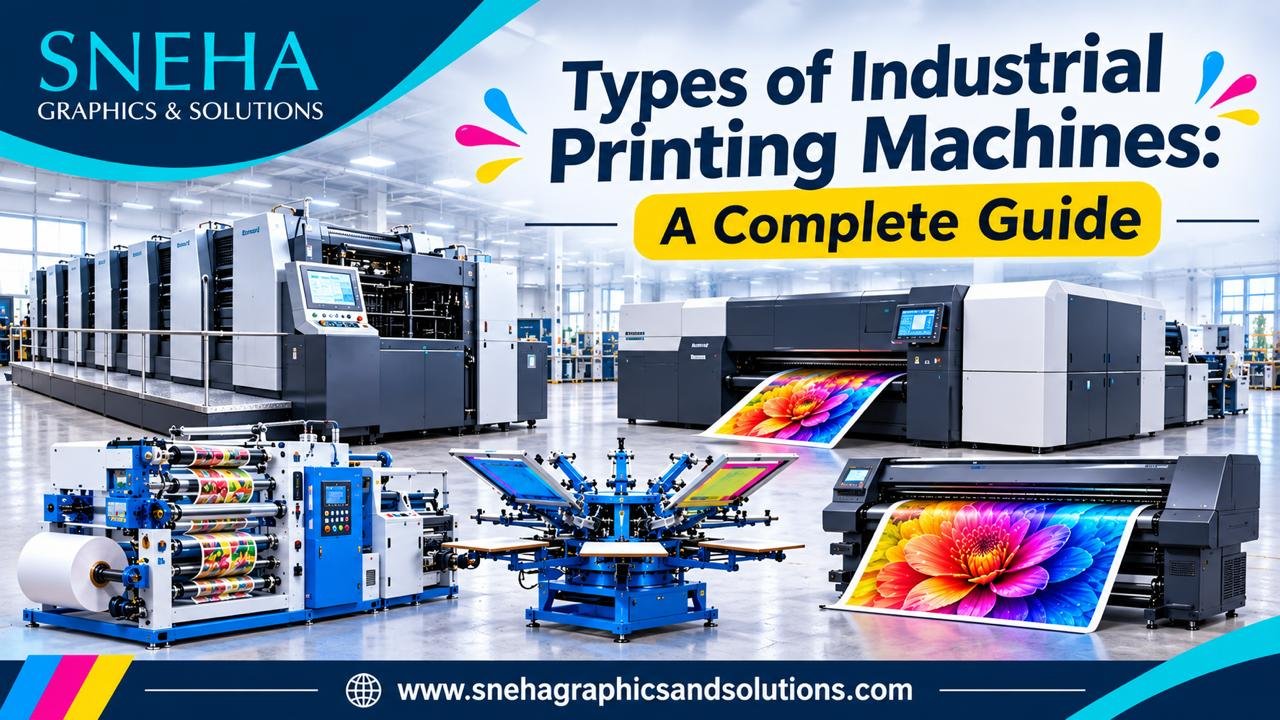
Choosing appropriate machinery is vital for ensuring printing quality and efficiency. Some of the commonly used machinery includes:
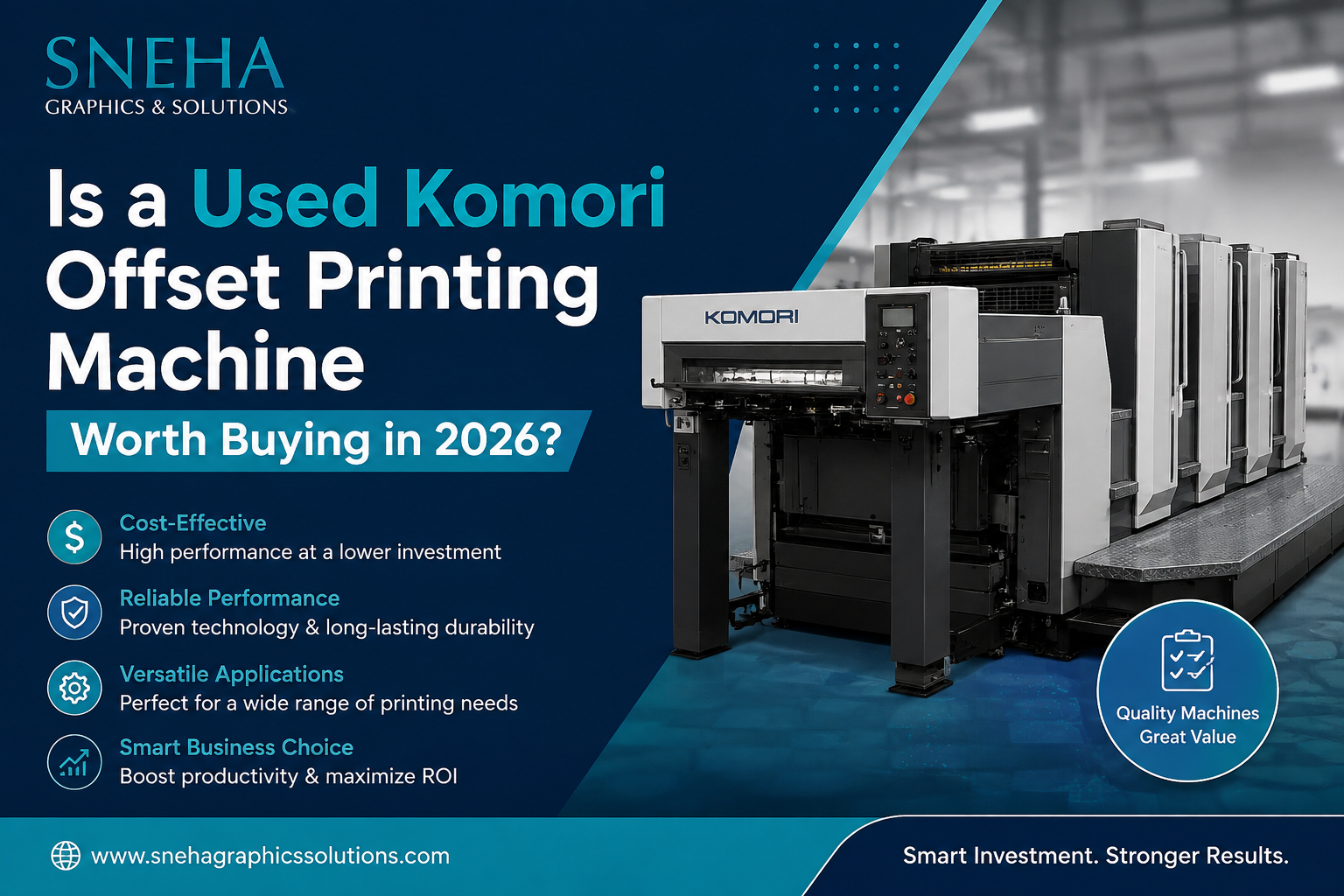
- Offset printing machines: Can be used for bulk printing of books, brochures, and magazines.
- Digital printing machines: Useful in manufacturing customized items.
- Flex printing machines: Useful in printing banners and outdoor advertising.
- Screen printing machines: Useful for printing on cloth and various other surfaces.
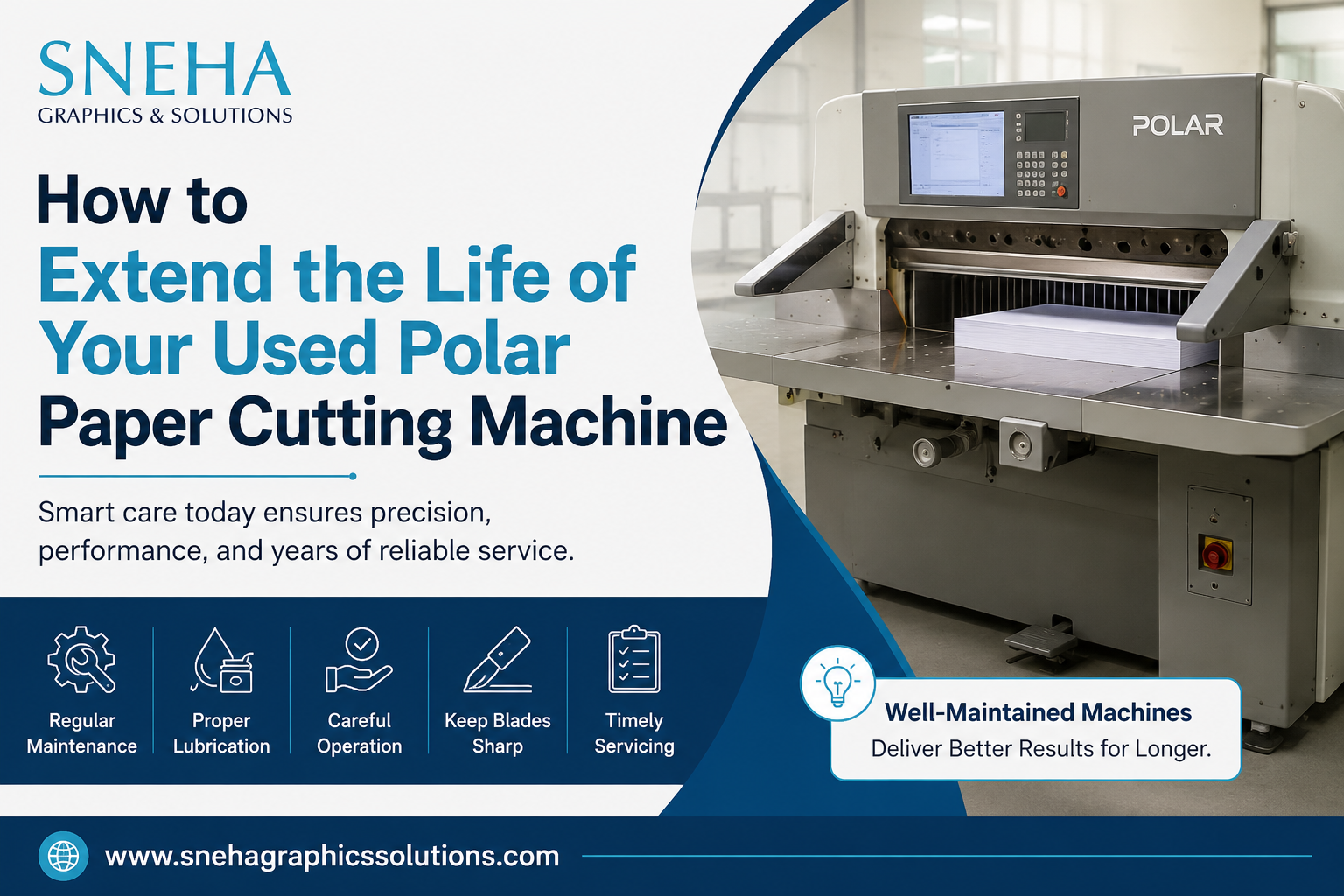
- Paper cutting machines: Help to cut the papers into correct sizes.
- Lamination machines: Help in giving protective coating to items.
- Binding machines: Used for books, reports, and catalogues.
Evaluate the specifications, production capacity, maintenance cost, and printing quality before buying any equipment.
5. Register Your Business
It is important to get the required registrations before you start running your business. They may include:
1. Registration of your business as proprietorship, partnership, LLP, or private limited firm.
2. GST registration if applicable.
3. Udyam registration for availing MSME benefits.
4. Trade license registration as per local laws.
5. Factory license, if required.
6. Environmental and waste management regulation, if required.
Consult an expert to find out the regulations applicable to your business.
6. Organize Sources of Raw Material and Supplies
It is essential to have a dependable source of raw material for continuous production.
The commonly used materials are:
- Printing paper and sheets
- Printing inks and toners
- Printing plates
- Adhesive materials and binders
- Sheets for lamination
- Packing materials
Select suppliers according to the quality, price, availability, and delivery schedule. Buying raw material in bulk helps in controlling the cost of operation.
7. Recruitment of Competent Personnel
For a large-scale business, you might require designers, operators of the machinery, pre-press technicians, finishers, and customer support executives.
Develop an efficient workflow that includes the steps of designing, printing, quality check, finishing, and delivery. Proper maintenance of machines and training of the personnel can increase efficiency.
8. Promote Your Printing Business
The importance of marketing cannot be denied as it brings in new customers and creates relationships. Here are some tips:
- Get your printing business a professional website.
- Get yourself listed on Google Business Profile.
- Use social media platforms like Instagram, Facebook and LinkedIn to promote your business.
- Contact schools, colleges, office complexes and advertising agencies.
- Give competitive prices for bulk and repeat business.
- Quality and on-time delivery should always be maintained.
Building corporate client relationships will help create consistent orders that lead to business growth.
9. Focus on Profitability and Growth
Keep track of all your monthly expenses, sales, raw material usage, maintenance and profits.
As soon as you start getting a regular client base, move ahead with the growth of your business in terms of packaging, commercial printing, custom printing and large-scale printing. Buy equipment based on demand.
Conclusion
To start up a print shop business, it is essential to make plans and also to have good machines, money management skills, and good marketing strategies. The printing press business plan will assist you in managing costs, getting acquainted with the market, and establishing your business.
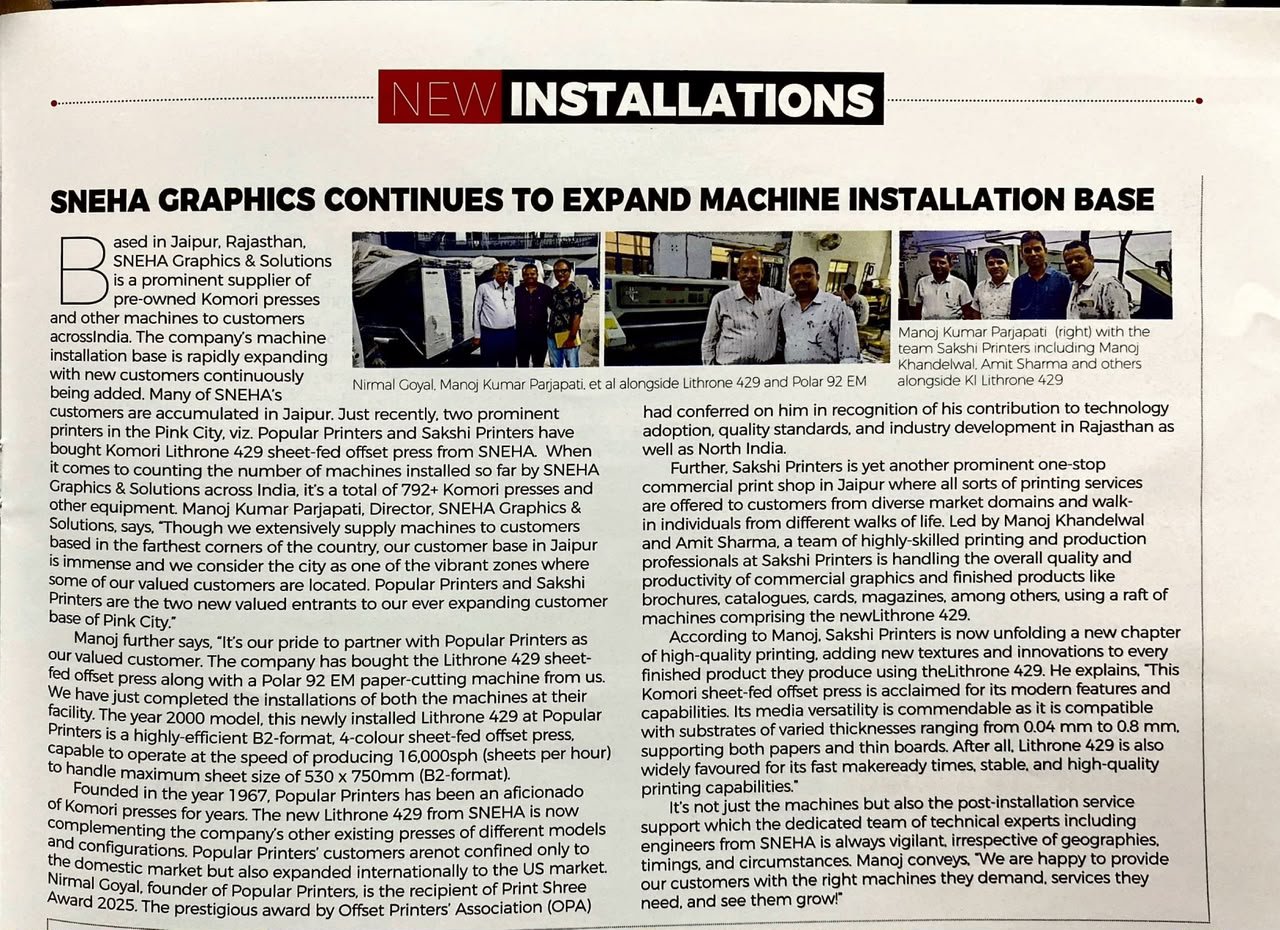
For reliable printing machines and equipment, you may seek help from Sneha Graphics and Solutions to find suitable machines that will help you grow through building good relations with customers.